
How to Stage Your Home For a Successful Home Sale
Posted by Gary Ashton on Tuesday, April 28th, 2020 at 10:37am.
When it comes to selling a home, how it’s presented to viewers is everything. Staging is one of the most important parts of the home selling process, as it can encourage a higher selling price and a shorter time during which the home stays on the market. How do sellers make good choices when staging? Here are some DIY home staging tips to give sellers an edge, even in competitive markets like Franklin.
General Staging Tips
When staging a home to sell, homeowners can make a few sweeping changes in all rooms of the house to improve the home’s showing power, as well as targeted staging decisions specific to different rooms in the house. Here are a few general home staging options for homeowners to consider.
Cut out Clutter
When walking through a home, buyers want to be able to see the actual home. Before letting anyone inside, make sure to get rid of any garbage that may be laying around such as cardboard boxes or plastic grocery bags. Keep bedrooms at a state of readiness that includes high quality bed linen and all clothes put away in closets or dressers. Make sure toys are put away and laundry baskets are away in closets where they won’t draw any unwanted attention. This is also a good time to put away mundane things like newspapers and magazines that sit around and take up a lot of space.
Rent a Storage Facility
Sometimes cutting out all the excess means moving furniture out of the home. But where should it go? For furniture that’s no longer wanted, there’s always the possibility of holding a garage sale or donating to Goodwill. But for things that need to leave only temporarily, consider renting a storage facility for a few months until the home is sold. The cost of renting a storage facility depends on how large it is, it’s common to pay around $50 for a small one.
Don’t Forget Curb Appeal
When people think of “home staging” they typically only think of the inside of the home. However, what goes outside a home is just as important as what goes inside. Here are some easy curb appeal projects to do when selling a home:
- Mow the lawn regularly
- Weed the garden
- Paint the front door
- Repair damaged fences
- Put fresh mulch in flower beds
It isn’t necessary to hire a landscaper to improve a home’s curb appeal. Taking care of what’s already there can do wonders for making a home more inviting to buyers.
Repaint Instead of Replacing
Cabinets are a popular renovation when it comes to preparations for selling a home, but buying and installing all new cabinets can be expensive. Instead of replacing, try repainting or re-staining the cabinets that are already there. This can be an effective way to make them look new without spending thousands of dollars to replace them.
Update Features to Add Visual Interest
Sellers who have dull, boring homes may be able to freshen the appearance and add a spark of excitement with cost-effective changes or updates. Some good ones to consider include:
- Adding or removing landscaping plants around the perimeter of the home.
- Adding a fresh coat of paint to the interior and/or exterior of the home or adding an accent color to window frames, shutters, doors, or other surfaces or trim.
- Drawing attention away from the home by adding outdoor living spaces with attractive furnishings or an outdoor fireplace to boost perceived value.
- Creating a more welcoming entry area by using bright colors for chair cushions on the porch or flying a colorful flag from a post to add a focal point.
- Using bedding plants to fill flower beds, pots, and urns with brightly colored flowers in areas where the home needs a visible improvement.
Adding interest by using color will attract buyer attention and take the focus off an overly plain home's exterior.
Put Away “Conversation Pieces”
Perhaps one of the home’s room is dedicated to a collection of vintage dolls. While this may be the homeowner’s pride and joy, strange décor choices can make buyers viewing the home focus on the furniture rather than the home itself. The same also goes for things like political and religious memorabilia. It’s best to put these sorts of things away until after the home has been sold.
Highlight the Most Interesting Features
If the outside is too plain to attract attention when pictured in marketing materials, homeowners will want to make sure that the images highlight any features that are capable of attracting attention. For instance, if the interior of the home has a beautiful fireplace, polished wood floors, or a stunning kitchen, they can use images of those areas to better attract the attention of qualified buyers. Although a listing in Brentwood may attract buyers based on location alone, selling quickly still requires some amount of effort to stand out.
Remember, however, that it is important to also provide images of the exterior of the home in all marketing materials, even though it may be considered plain or unattractive. This will prevent buyers from imagining the worst about the home and help them see that your plain home has beautiful features inside.
Depersonalize the Space
When it comes to home staging, one of the most important tools professionals use is to get rid of anything that shows the home is owned by another person. This includes things like family photos, certificates, degrees, and anything that has a name on it. Getting rid of these things will allow viewers to more easily imagine themselves living in the home.
Staging a Home Room-By-Room
In addition to general home staging tips, homeowners can benefit from specific staging decisions in each room of their house to make it more appealing to home buyers. Here are a few staging tips for key rooms in the home.
How to Stage Your Kitchen
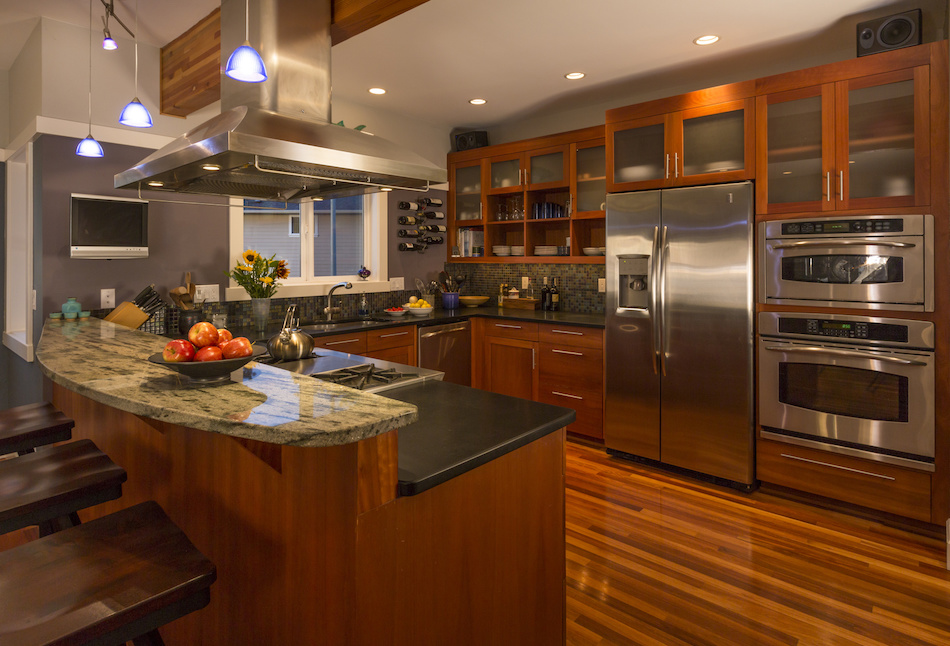 When it’s time to sell your home, a kitchen can be one of a home's greatest assets. Home buyers are often drawn to a well-put-together and organized kitchen. Proper staging can accentuate your kitchen’s strengths and help turn your kitchen into a room that will wow buyers.
Match Your Visible Dishes
While most of the dishes will be hidden behind cabinet and closet doors, dishes that appear on open shelving will be visible to all buyers. Mismatched dishes can make your kitchen look cluttered and disorganized, while matched dishes will form a pattern that helps lead the eye around the room. If necessary, buy a small set of matched dishes to put out on your shelves. To keep the dishes clean and free of grime, wash them every weekend.
Clean Out the Crumbs
Crumbs have a way of gathering under the toaster, inside the toaster tray and in the corners between the counter and the wall. You may not notice these crumbs, but buyers will. Clean all surfaces and remove crumbs from beneath countertop appliances, inside the microwave and inside drawers.
Clear Off the Counters
Clutter on the counters can make the kitchen seem small and claustrophobic. Reduce the amount of clutter on your counters to a few carefully selected appliances. For the time being, store your other countertop appliances and kitchen tools inside the garage or in another nearby space where you can easily grab what you must have.
Throw Away Old Sponges
Old sponges for cleaning dishes and countertops are normal in kitchens, but they can look unsanitary to some home and condo buyers. Throw away your old cleaning sponges and replace them with some nicely crocheted dish towels, and make sure to wash the dish towels on a daily basis.
Set Out Fruit
Buy a decorative bowl that will coordinate well with the colors in your kitchen, then fill the bowl with real fruit. Set the bowl in a prominent place in your kitchen. Change the fruit regularly to keep the contents of the bowl fresh. If possible, match the fruit to the colors in your kitchen.
Be Sensitive to Smells
Smells from a drain, dish washer or a garbage can be disturbing to buyers. Empty your garbage every day and if possible, store your garbage in a location where it’s not visible. To clean out a smelly sink drain, flush the drain with vinegar and lemon juice followed by hot water. To clean out a smelly dishwasher, run the dishwasher empty with vinegar in place of dish soap.
Make Room for a Table
Buyers love the idea of owning a home with an eat-in kitchen. In a kitchen that is too small for a full-sized table, find a table that will fit in the space, even if only one or two chairs will fit around it. If there’s no room even for a small table, try to fit a few tall stools against a tall counter where guests can eat and talk.
Clear Clutter from the Cabinets
Some home buyers will look inside the cabinets to get a sense of the storage space available in the kitchen. Clearing the clutter from the cabinets and pantry is a wise way to show buyers how much storage space your kitchen has to offer. When trying to decide what to get rid of or donate, start with any appliances and kitchen tools that haven’t been used in more than a year. Consider throwing away or giving away any extra food items that have been the pantry for more than six months.
Staging the Garage for Home Selling
For many home buyers, the garage is a little like a bonus added on to the home. It may not count into your square footage, but home buyers still expect a lot from the space.
Banish Clutter
 Far too many homeowners tend to use the garage as the place where they stash everything that will not fit in other parts of the home. However, people who are coming to look at your home as potential buyers want to see every inch looking clean and organized. On top of this, garage clutter can also be hazardous. Without shelving on the walls, stacked boxes on the floor can topple very easily.
Even if you have to keep certain things in your garage to maintain your property while you prepare to sell, you can limit the number of items just laying around. Remove all the garbage and any tools or equipment that are in poor condition. Preserve only the belongings that add value to your garage.
Organize the Walls
You might think that you have to spend thousands of dollars putting cabinets up to use your walls, but it is not true. You do not need to have a space that offers thousands of cubic feet of potential storage. You just need a garage that is neat, clean and demonstrates that you have the available room to put things away.
Use large hooks to hang hoses, ladders and bikes. It gets them up off the floor and makes it easier for you to clean up the leaves and dirt each day. You may also discover that it is less hassle to use these items when you know exactly where they are, as well.
Create Storage
The ubiquitous theme for staging is always “less is more”. However, you can certainly add some staging elements that help to show off your excellent garage. A 2016 survey from the National Association of Home Builders showed that 81 percent of prospective home buyers consider garage storage to be either essential or desirable.
If you have a large tool collection, take a moment to set it up properly. Purchase a few shelves or a cabinet to put medium-size tools. Add a pegboard for the placement of your hand tools. Most homeowners will need to keep some tools for home projects, so a depiction of effective garage storage is likely to go over very well.
Remember Home Security
A big part of your staging effort should include work to prevent troublesome individuals from gaining access to your home. Make sure that you do not leave a garage door opener in your car during showings, or keys to your house anywhere inside the garage. Get into the habit of locking your home door from the garage. That way, if someone does find a path into your garage, they will not be able to quickly walk through an unlocked interior door.
Protect the Floor
If you look at the average person’s garage floor, it is a bit of a mess. Even if you no longer notice the stains and oil spots on yours, you can expect that home buyers will not miss it. A messy garage floor is a safety hazard you cannot afford to ignore.
Clear all the debris from the garage and make sure that the floor is dry. Use some absorbent material, such as sand or cat litter, to leach some of the liquid out of the floor. If your garage floor is really damaged or unsightly, consider investing in something like polished concrete. It will cover up the cracks, protect your floor and make it look far better.
Upgrade the Garage Door
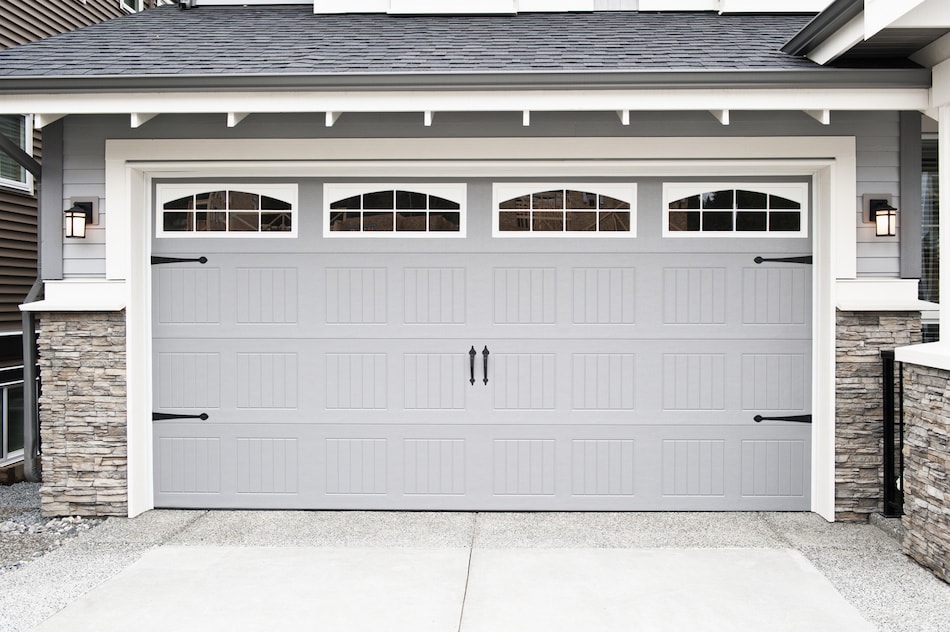
While you focus on the inside of your home (and your garage in particular), you must also keep an eye on the condition of anything people can see from the road or your driveway. Is your garage door chipped, faded or dented? A good coat of paint may be all it takes to put it in show-ready shape.
For more serious wear, you may choose to invest the average $1,749 to put in a new garage door. Data shows you will typically recoup about three-quarters of the cost in a higher resale value, which makes it a no-brainer for some.
Staging the Bathroom and Closet to Sell
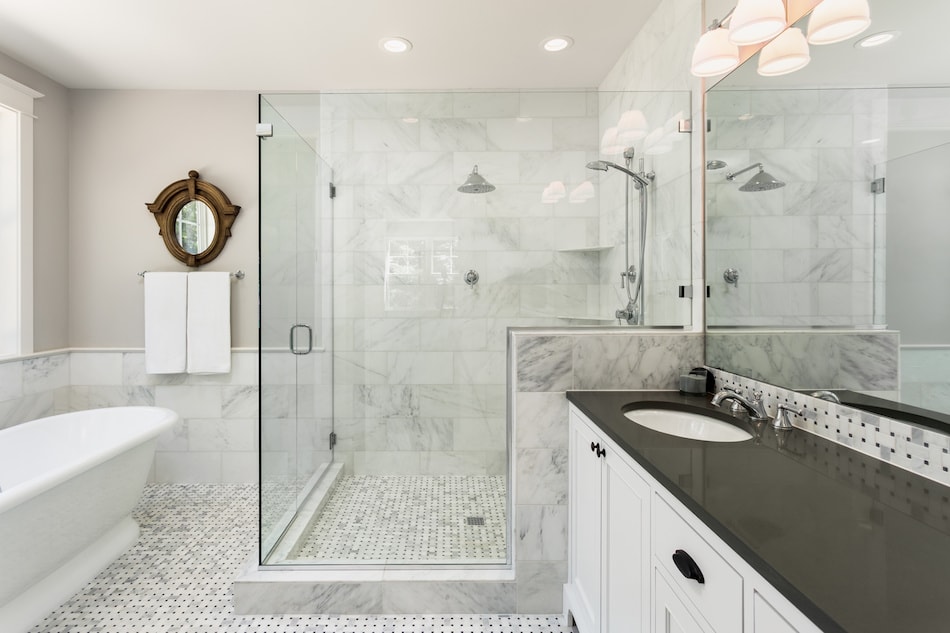 So much of the staging advice published online is focused on full rooms, kitchens and the front yard. If you want to appeal to home buyers shopping in your community, you need to have every inch of the home in order, including your bathrooms and closets.
Go for a Cohesive Design
A lot of people just add storage and fixtures to their bathrooms and closets as needed. If you want to sell quickly, this attitude must go. Your goal is to give your bathrooms and closets a similar feel, as if everything was purchased at the same time and designed to work well together. If possible, invest a little money into matching hangers and coordinating baskets.
For the linen closet and shelves in the bathroom, add new towels and sheets with a pleasing color palette. New things make the space appear fresh and new. As an added bonus, you can take the new stuff to your next home.
Maintain Ideal Organization
No matter how you stage the home, if you are still living in it, you must be able to keep up the organization. Sort clothes in the closet by type, and make sure that the items you need daily are right within reach. Position clothing in the closet by size with the smallest items at the front, so that potential buyers can see what they might store in the closet.
Put your clean towels and sheets in the linen closet in a specific order. If you have never had cause to learn how to properly fold a fitted sheet, now is your opportunity. Place items on shelves so that they do not hang over the edge or fall off.
Avoid Overcrowding
Clutter is the worst enemy of the home seller. While you might use your closets to battle clutter in the rest of your home, selling a home requires you to expertly de-clutter these spaces as well. Always keep in mind that less is more, which will make it a lot easier to clean up quickly before a showing.
Take out everything but the minimum you need to function in the home and show off the space. Eliminate any items that are worn or do not go with the flow. Ditch knick-knacks on a bathroom shelf in favor of extra towels and practical items that are not so subjective.
Minimize Visual Clutter
There is a fine line between organization and visual clutter. Organizational experts laud the benefits of clear bins, because they make it easy for you to see what is inside. However, a clear bin full of decorations on an upper shelf in your closet can be both visually arresting and distracting.
It is the same for mesh baskets in the bathroom full of lotions or bath sponges. As you plan out your staging needs, go for opaque baskets or a closed cabinet. They will make the area look cleaner and more organized.
Learn More About Home Staging With a Real Estate Professional
Anyone is capable of staging a home, regardless of if they’re a professional or not. These six tips are only a few of the possible ways to make a home look like it’s had a professional hand in it, even if the homeowner has no prior experience.
Sellers who want additional ideas to improve the appeal of their home should discuss their needs with their Nashville real estate agent. Agents who successfully list and sell comparable homes in the area will be able to give sellers constructive advice to boost their home's market appeal.

Gary Ashton
The Ashton Real Estate Group of RE/MAX Advantage
The #1 RE/MAX team in the World!